We help landowners and homeowners build eco-homes, extend their homes, and create unique holiday homes that gain planning permission and pay them back. RIBA Chartered Architects.
The Ridge — Architect-Designed Hillside Residence, Malvern Hills
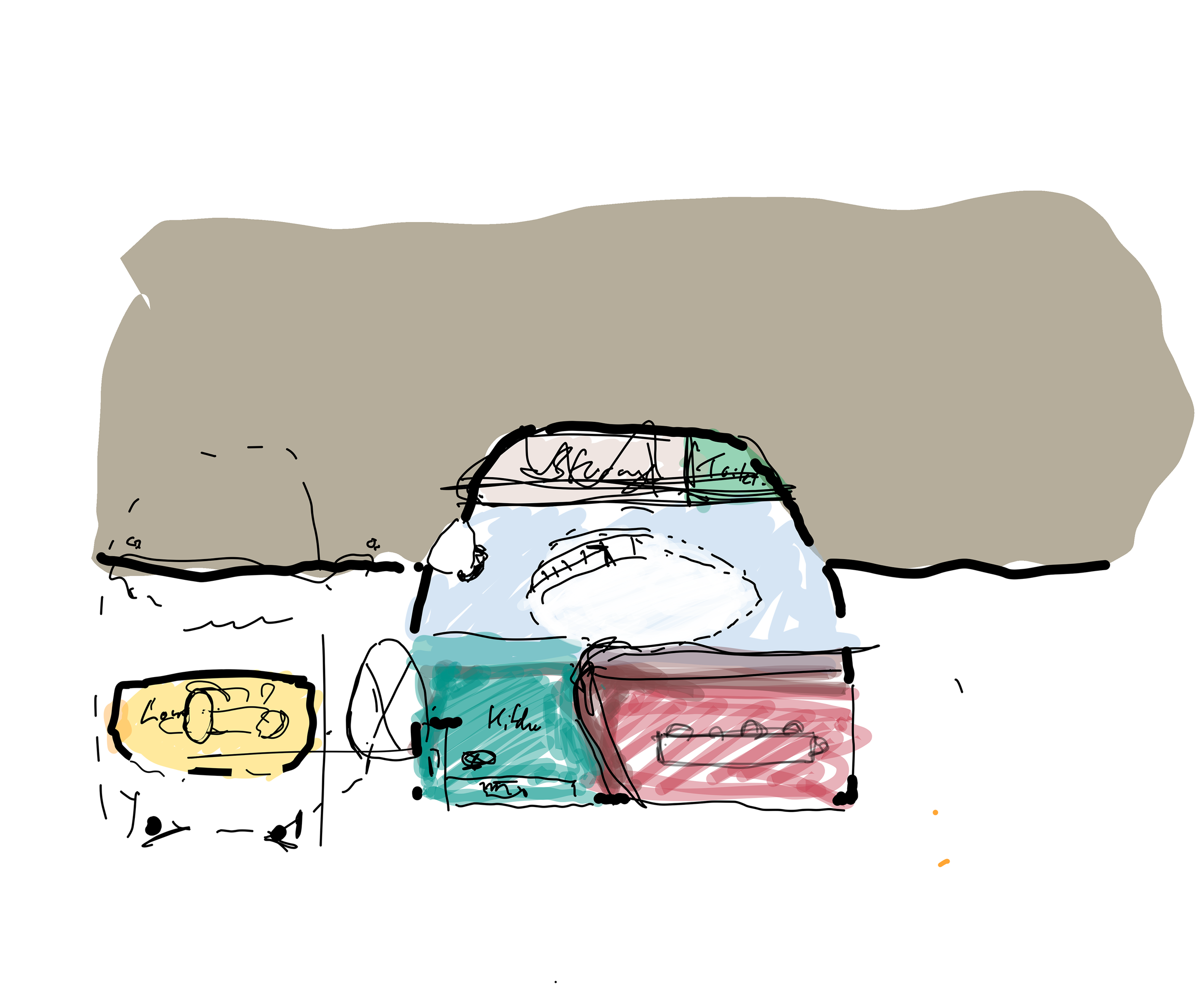
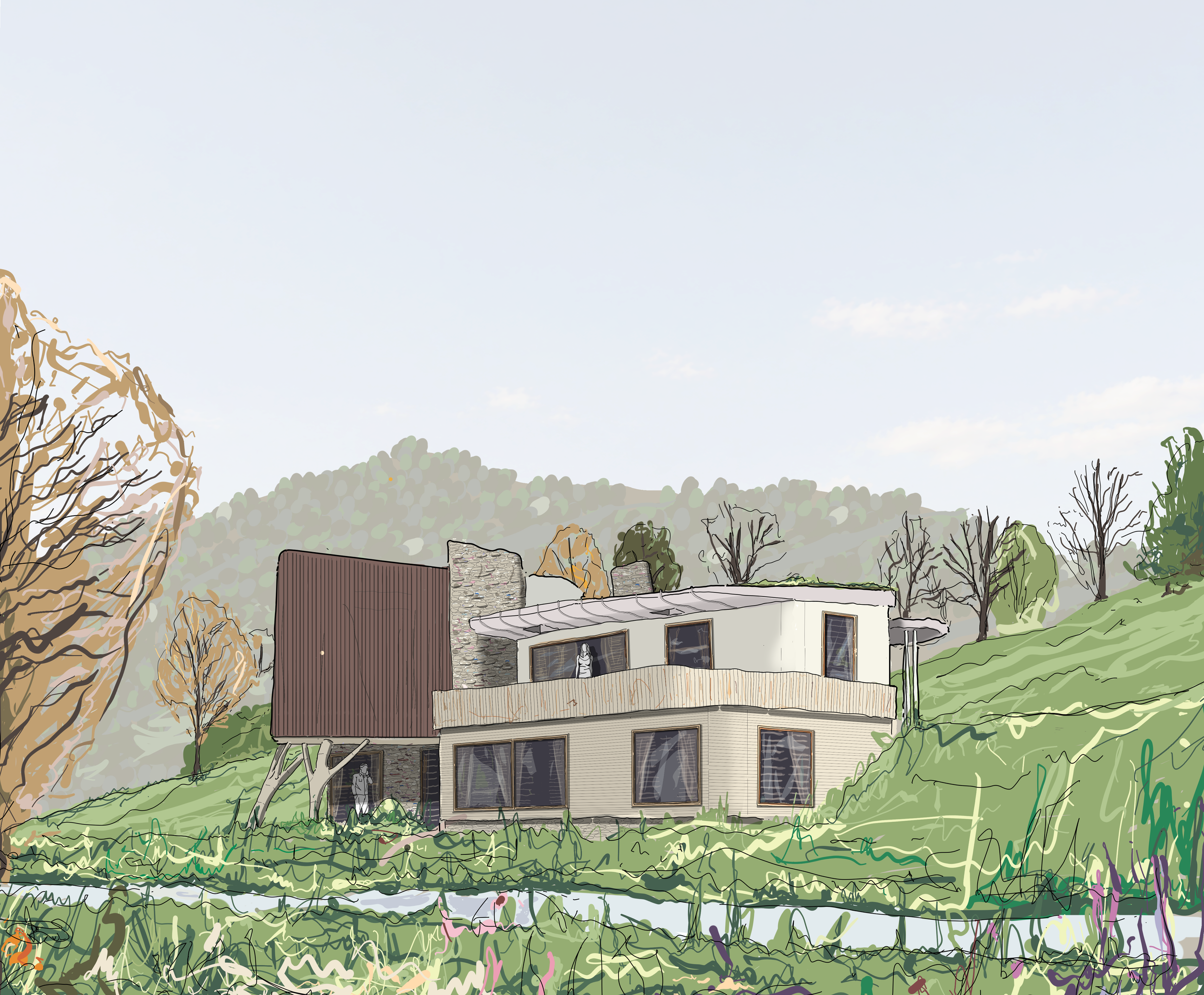
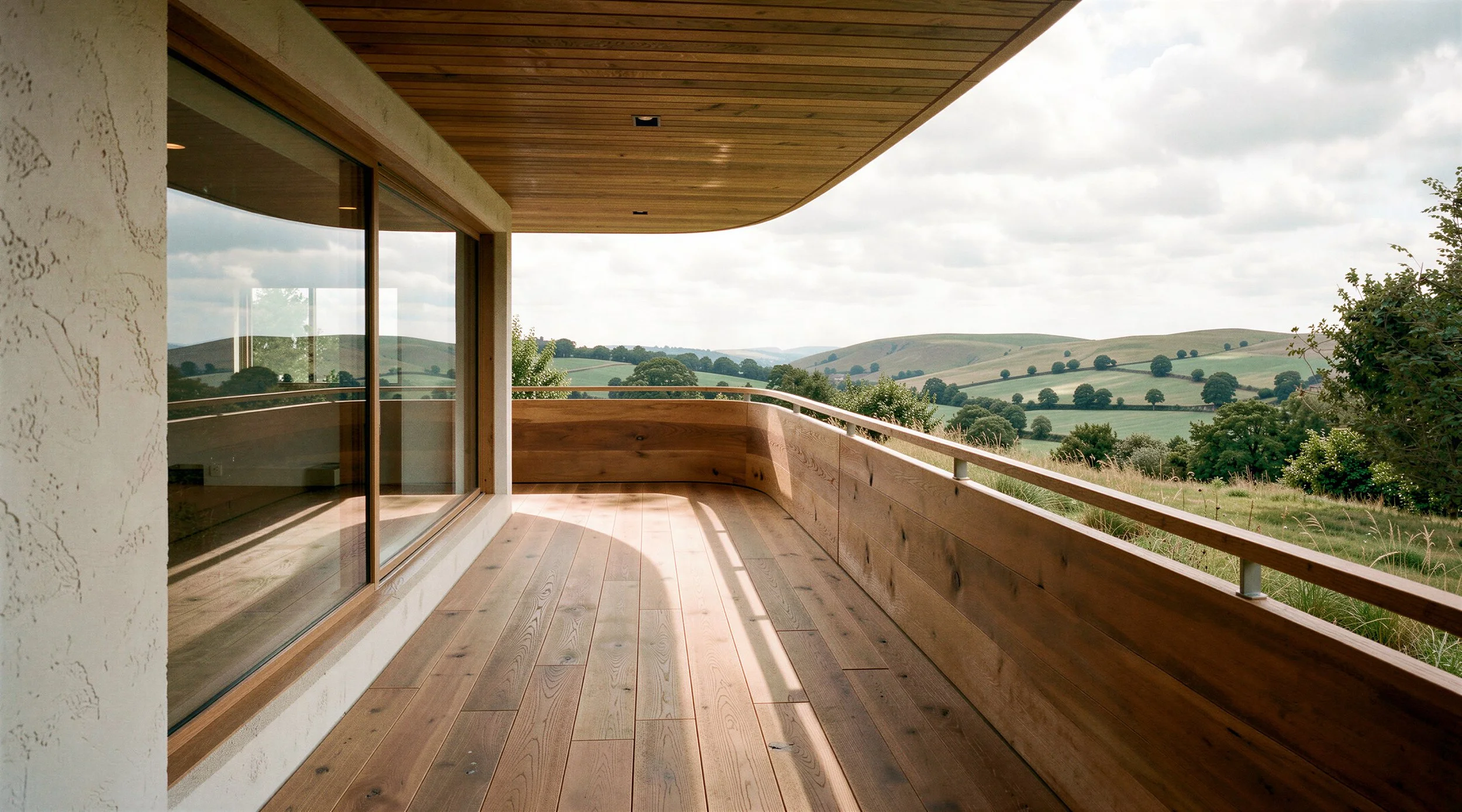
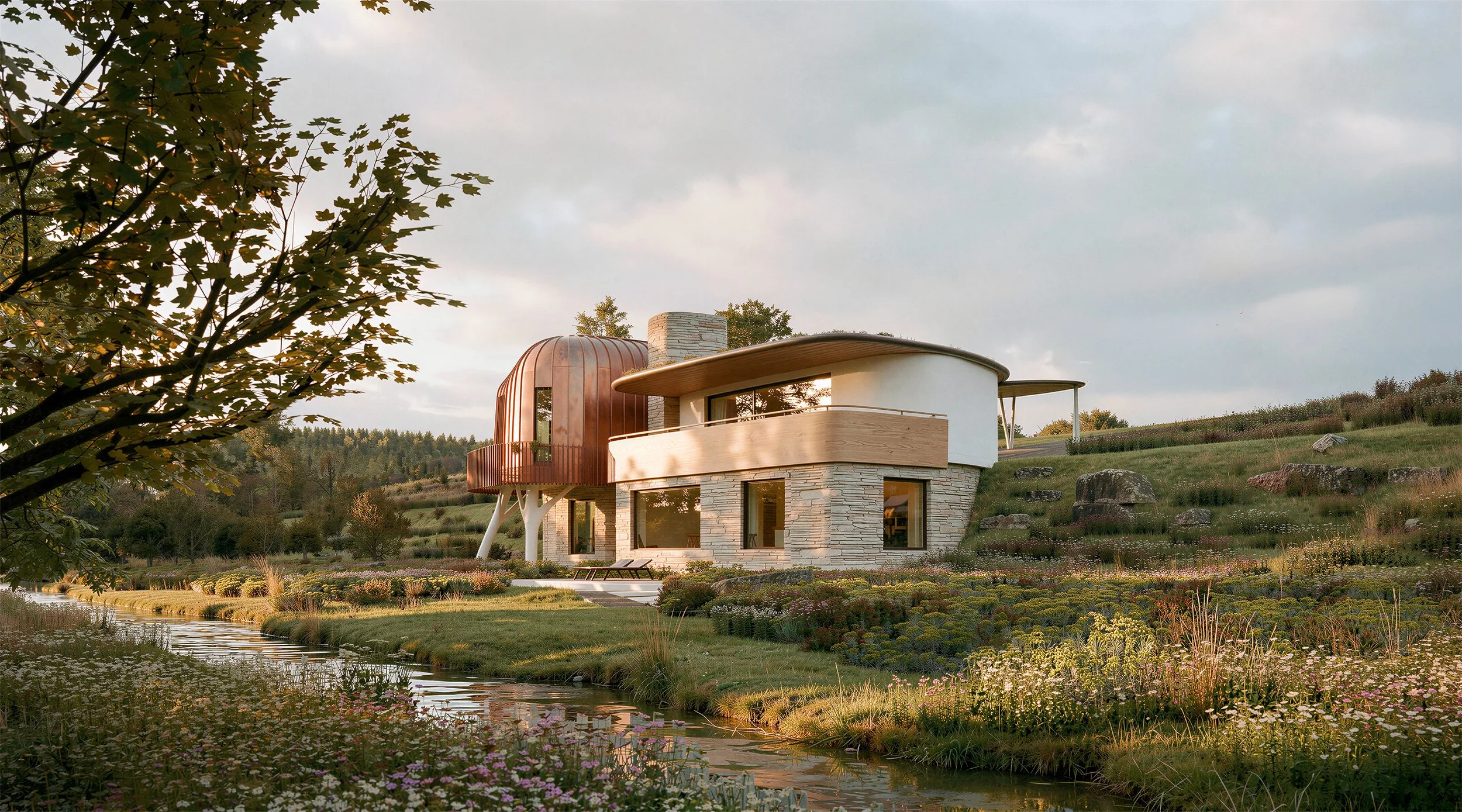
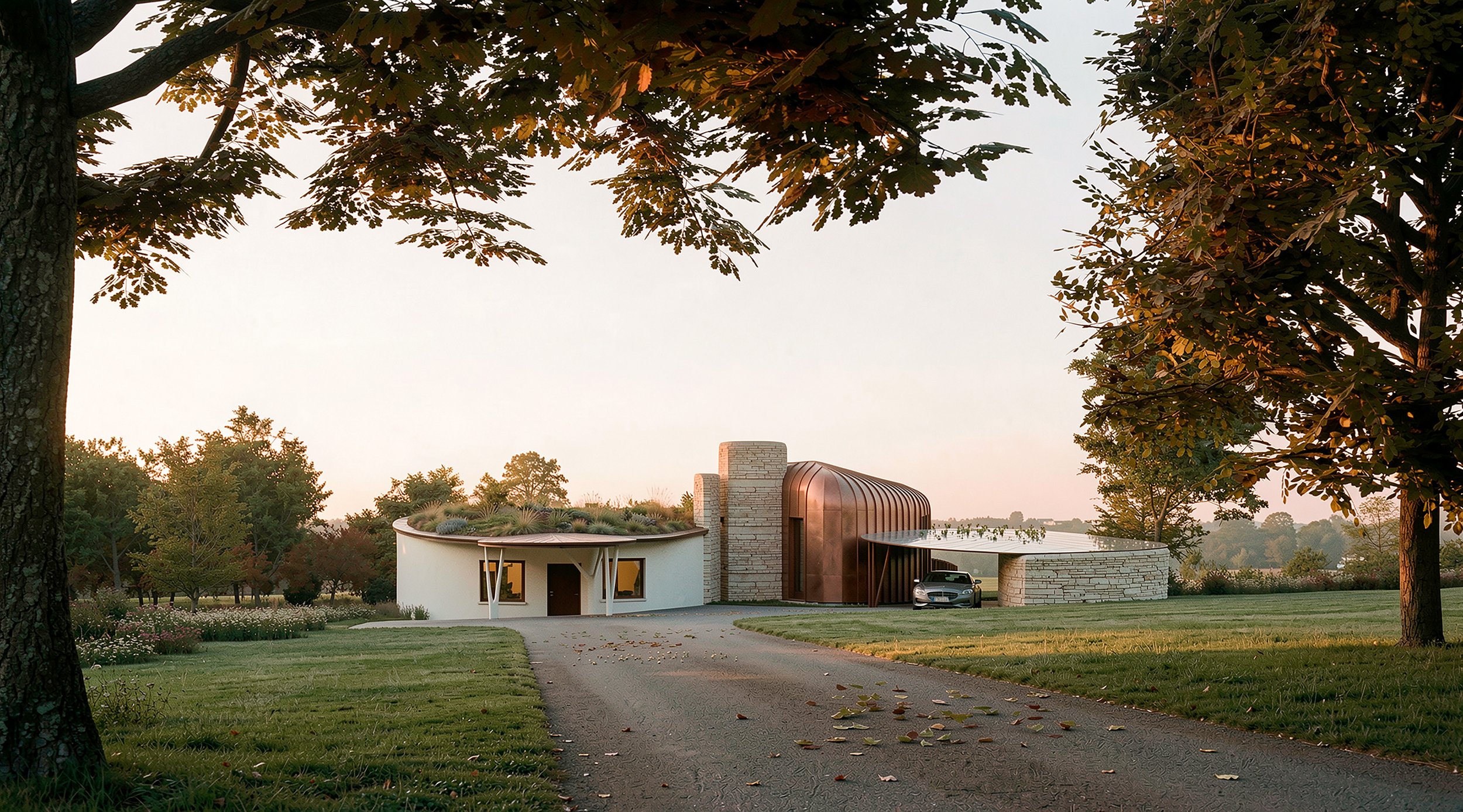
The Ridge is a commission for a hillside residence in the Malvern Hills National Landscape, Worcestershire. The residence is intended to operate as a unique homestay and is designed to accommodate six people. The structure is set into the slope of the Malvern Hills, so that the uphill approach reads as single-storey and the downhill landscape face opens as two storeys, and the significance of the vessel space opens up against the descending landscape and into the valley.
What You Can Build on Land You’ve Been Told Is Unbuildable
A homestead designed into the landscape
The brief was set as a homestead from the outset. That mattered both for planning and for the design itself; framing the project as a homestead allowed a more considered approach to the spatial experience from the start.
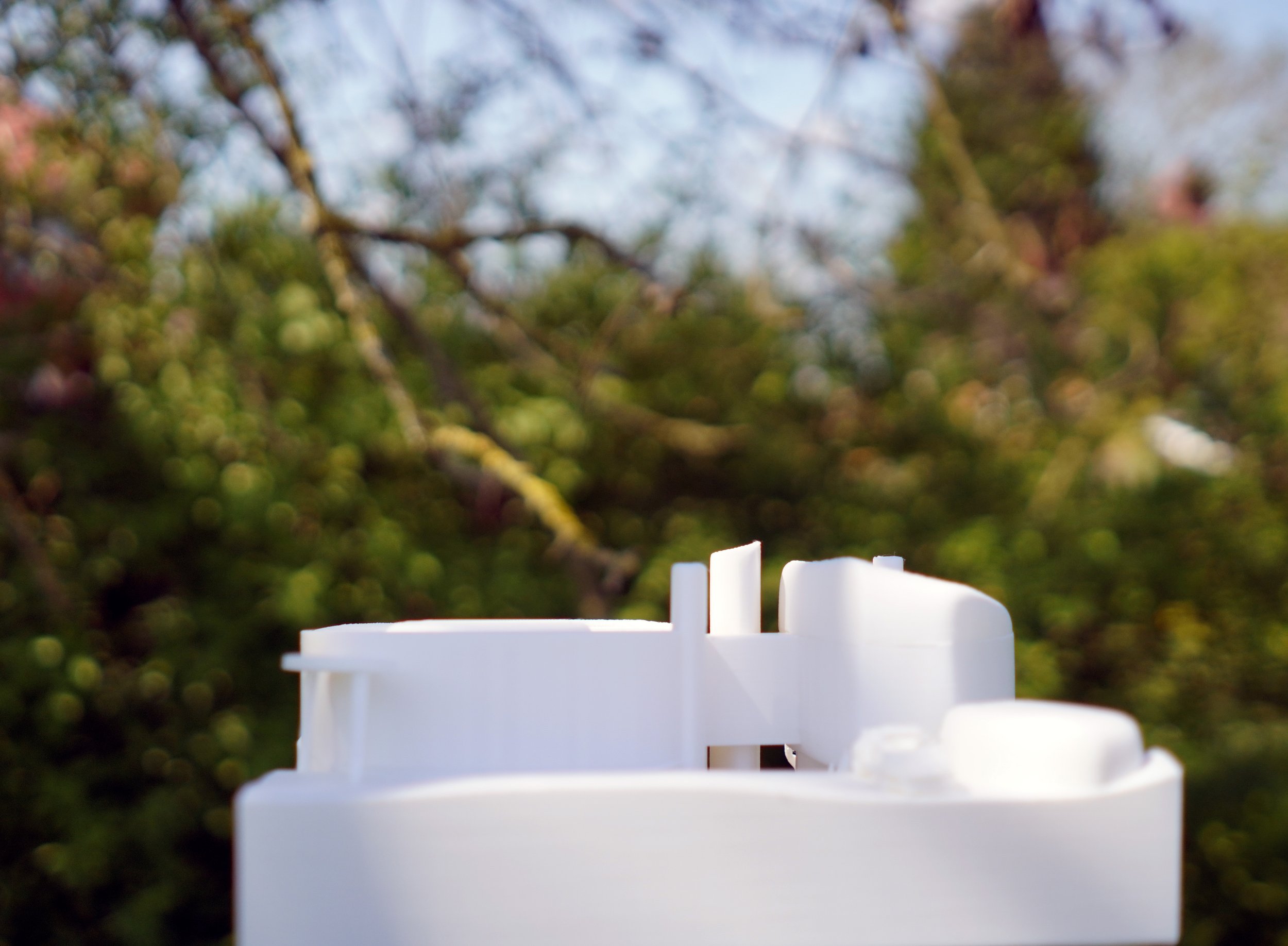
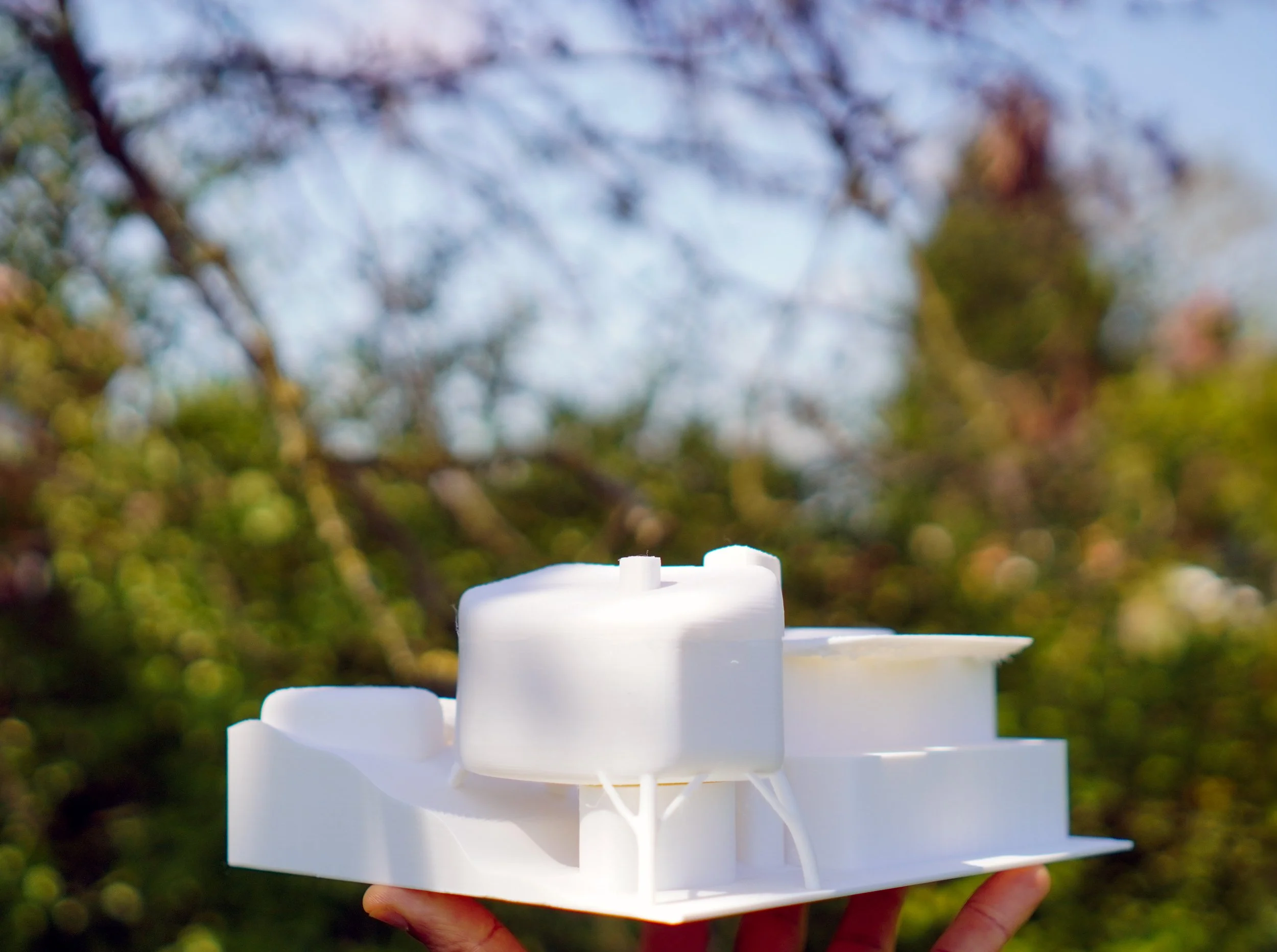
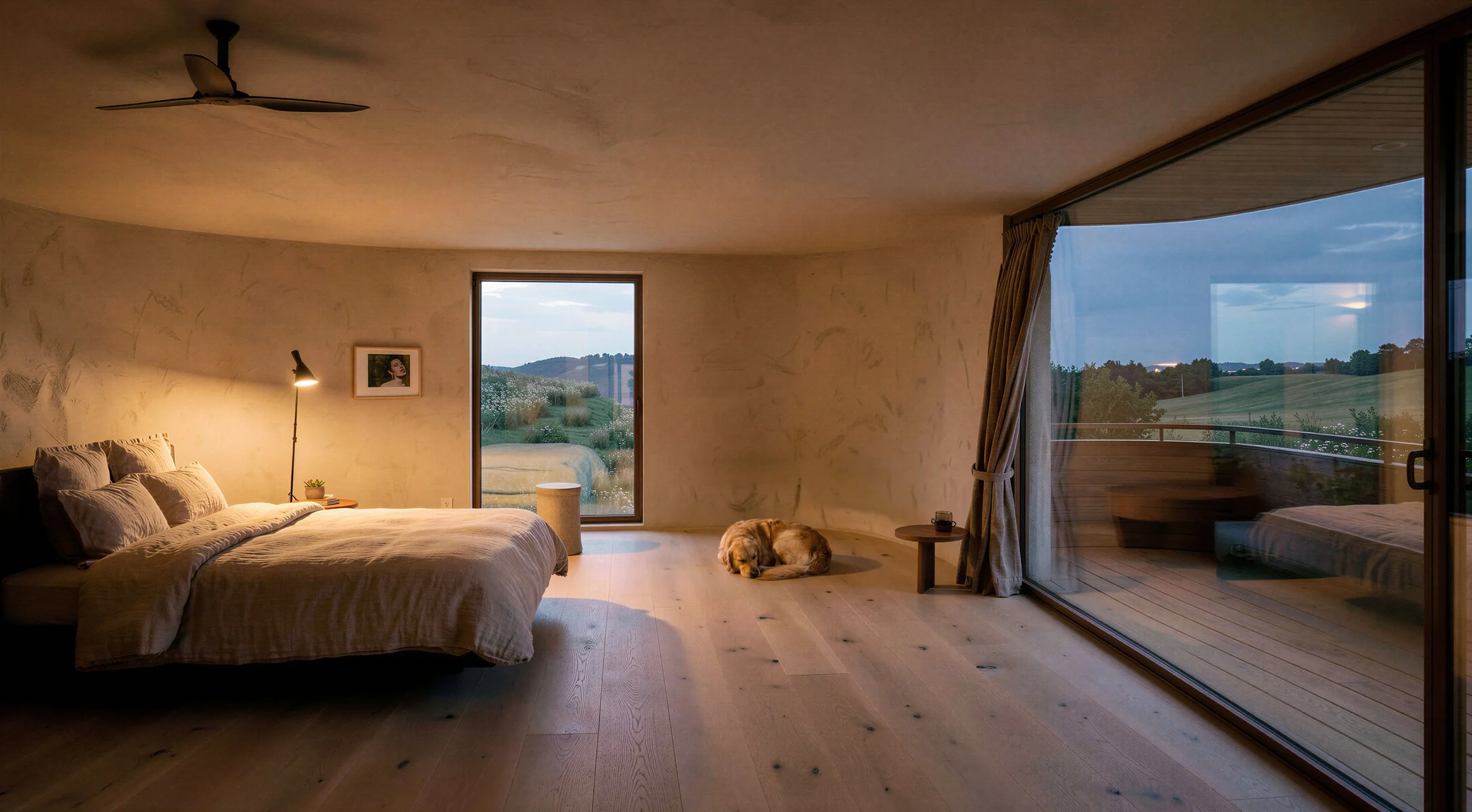
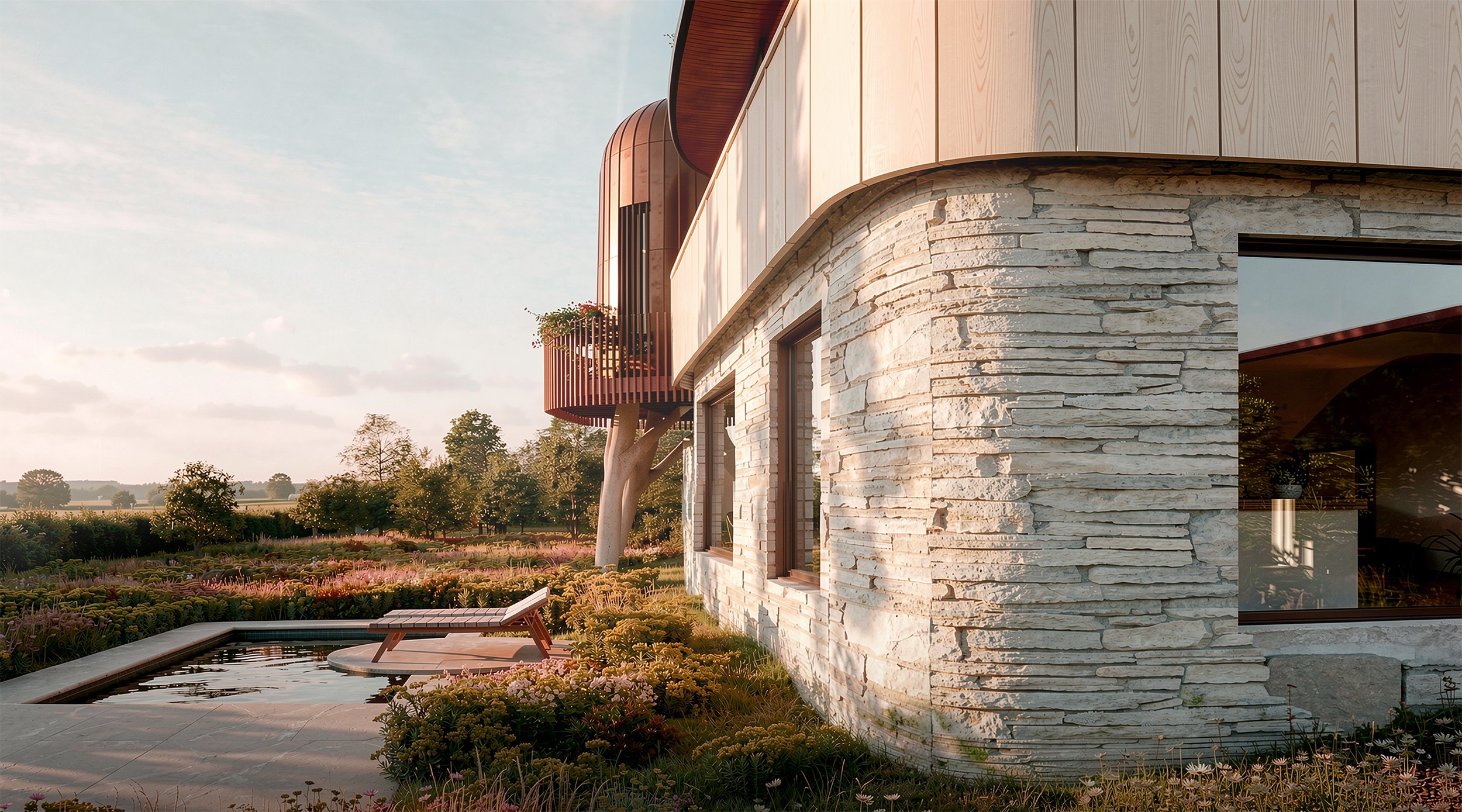
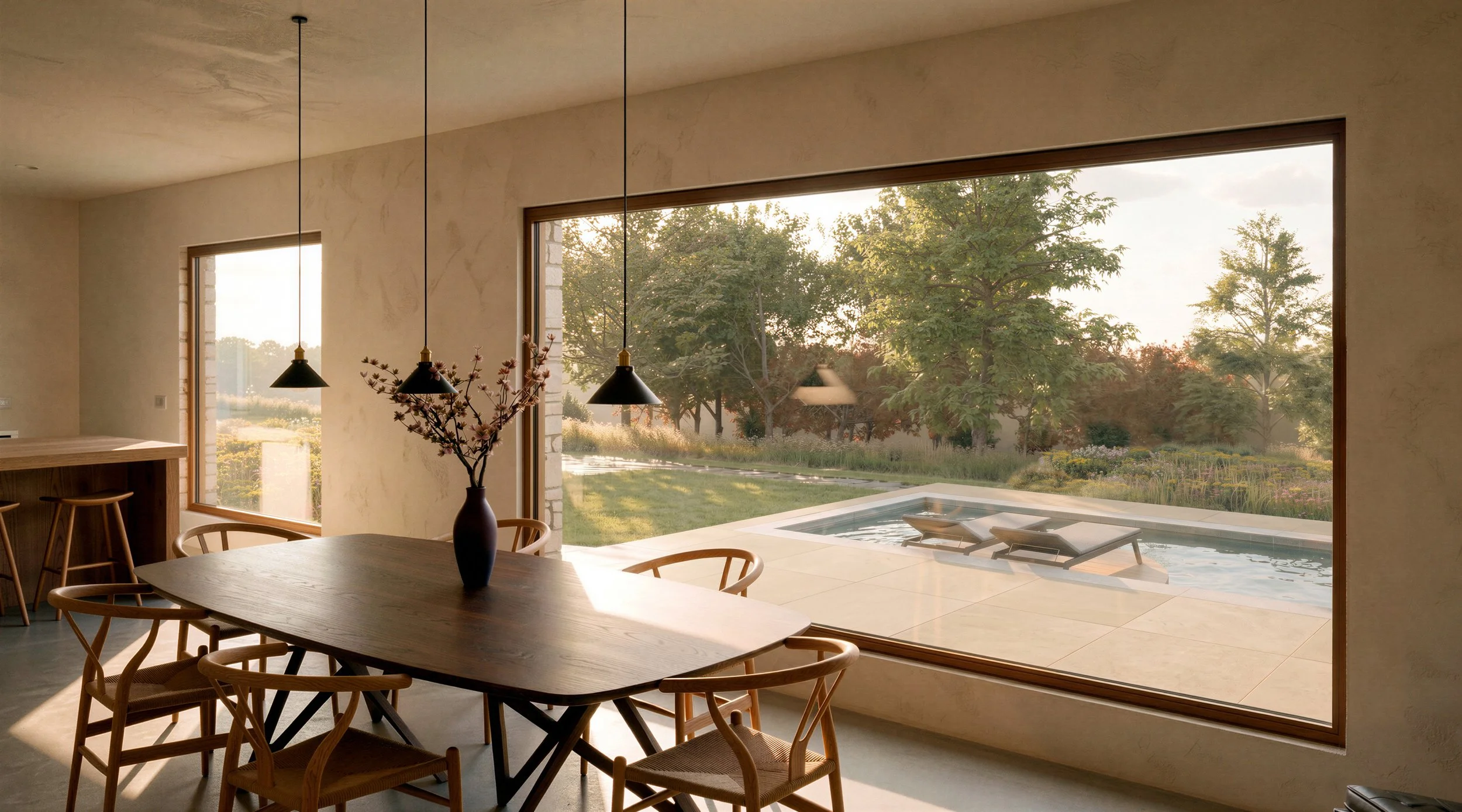
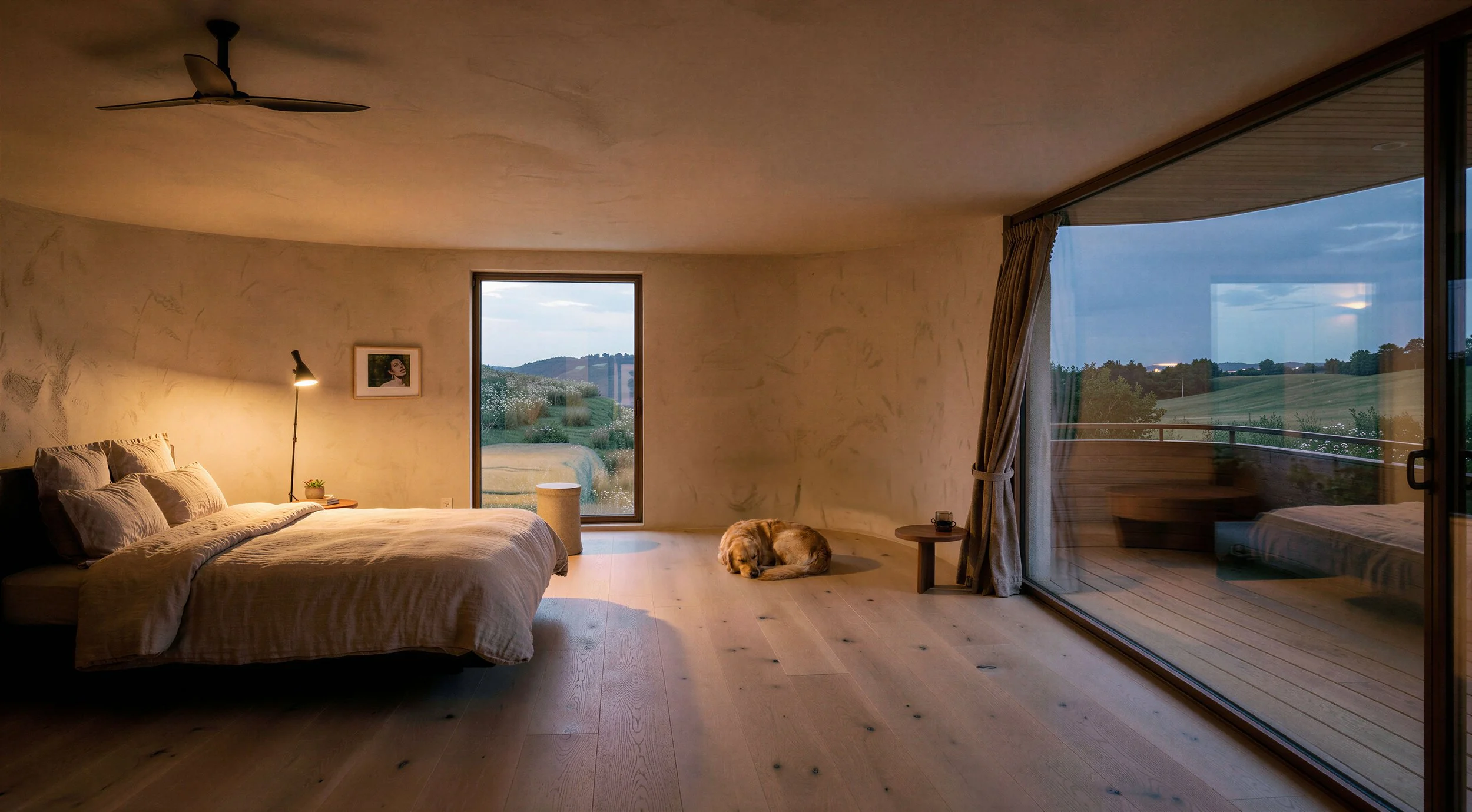
The plan is a series of vessel spaces suspended within the topography, each one framing views in a different direction. Where the gradient descends, the building integrates into the slope and gives two levels of access, a single-storey feel at the upper end, a grand landscape-facing entrance below. The form maximises views over the Malvern Hills while keeping a sympathetic, low-impact face along the approach. That dual reading is what makes the proposal viable in the National Landscape.
The swimming pool is designed as part of the homestead from the outset, not a retrospective addition. Beneath the suspended vessel sits an integrated sauna, built within the structure and treated as a critical part of the overall plan.
Materials chosen to age into the Malvern Hills
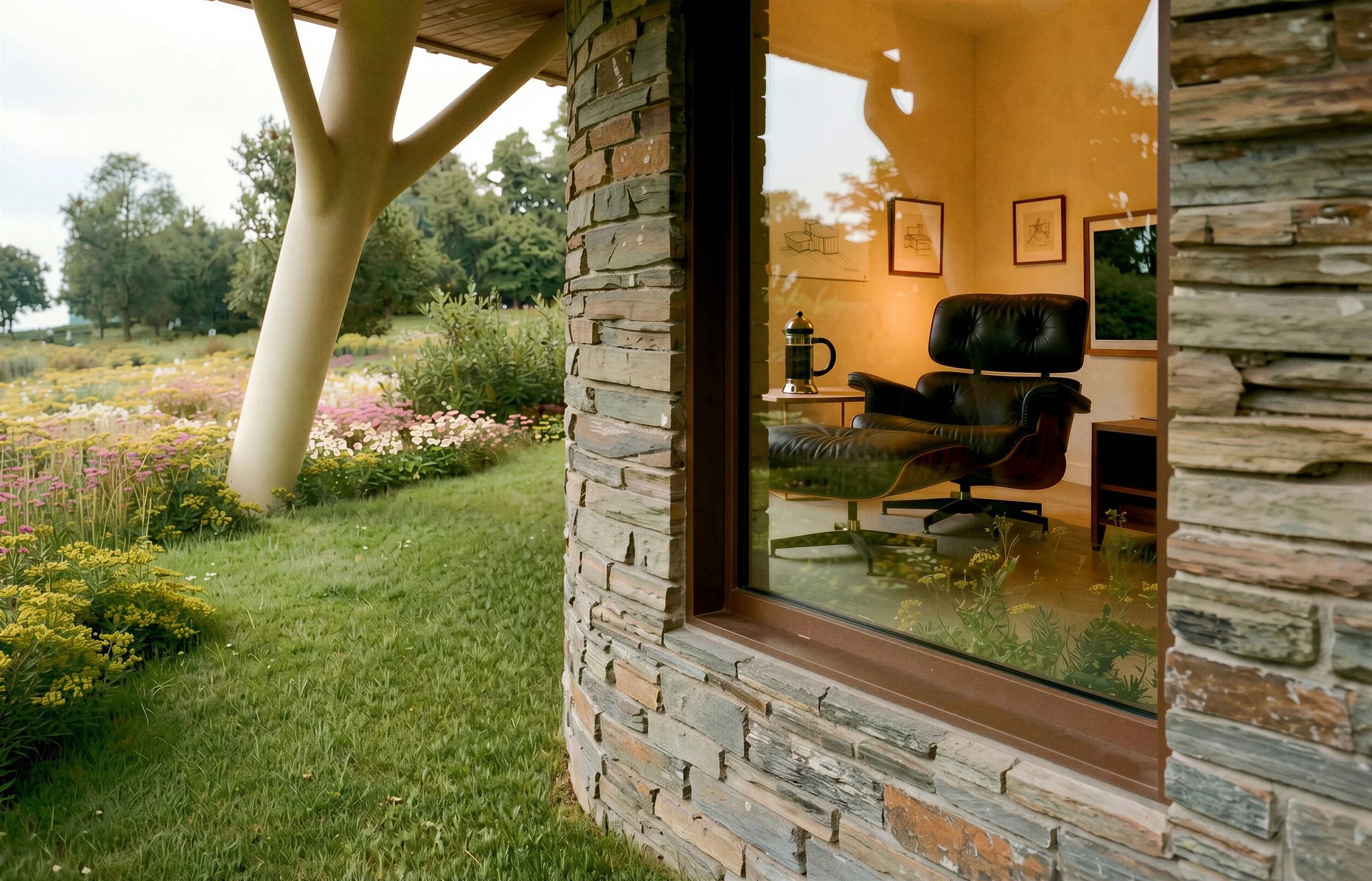
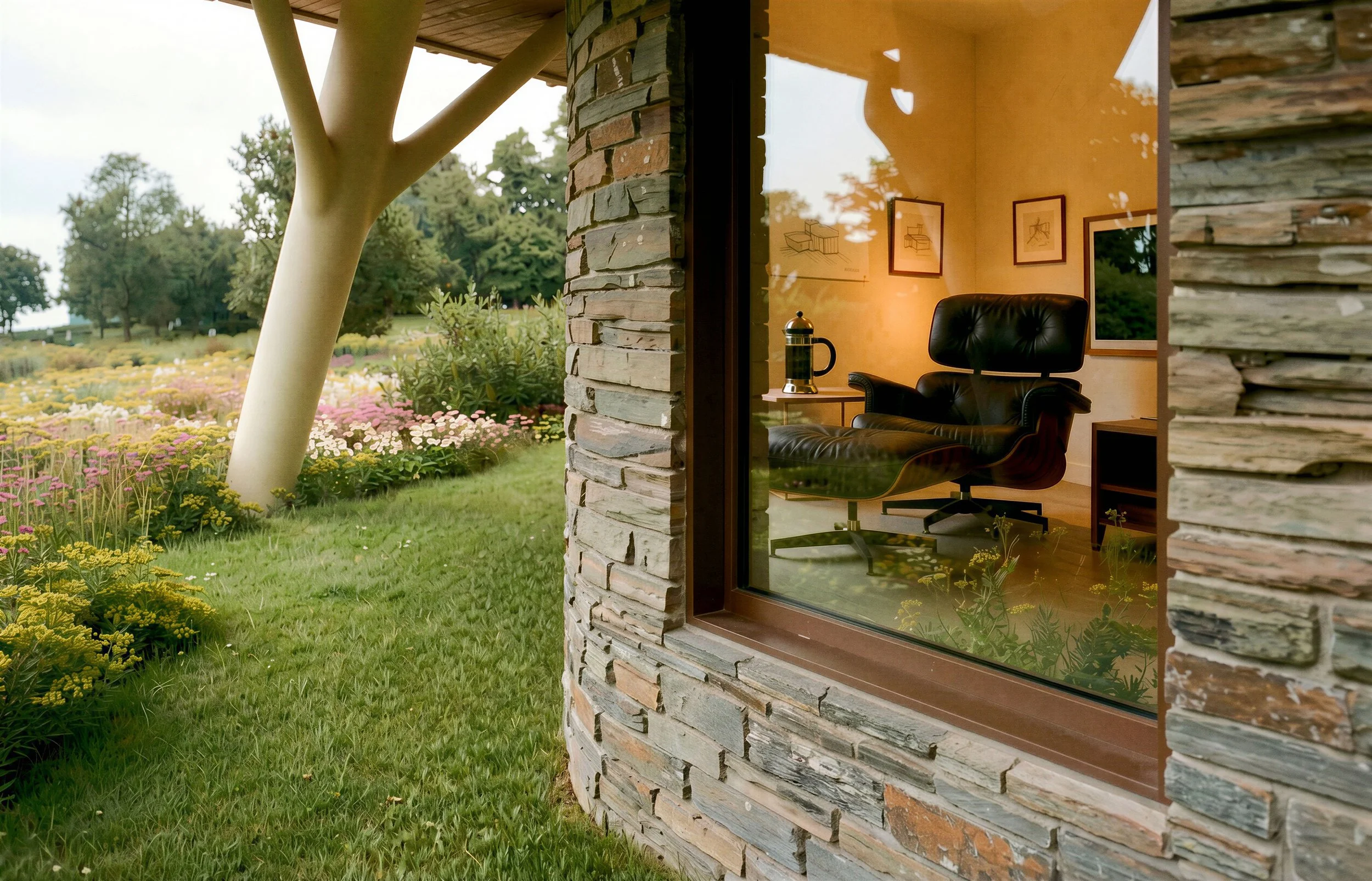
The material palette is chosen for materials that last a lifetime, with the Malvern Hills in mind. The main vessel is clad in copper. The copper reflects the surrounding colours and the changing light of the landscape, so the building looks different throughout the year, bright against winter grass, warm against summer growth, dark in the rain. The hundred-year test runs through every detail. CLT shell. Stone plinth. Silvered Scottish pine cladding. Hemp insulation. A planted sedum roof. Materials drawn from the existing palette of the Hills, chosen for how they weather.
A 282 sqm bespoke residence on a defined three-acre parcel within the wider landholding. Curved CLT shell on a stone plinth, silvered timber and copper cladding, planted roof. Designed to last a hundred years.
Planning strategy — rural tourism in a National Landscape
The Ridge is proposed under the rural tourism provisions of the NPPF (policy E4, previously paragraphs 88 and 89) and the equivalent rural economy and tourism policies of the South Worcestershire Development Plan. The use is unambiguously sui generis: short-term commercial letting on an exclusive-use, unhosted basis, secured by a planning condition restricting use to short-term tourism only and tying the building's operation to the existing principal residence on the landholding.
Landscape and visual impact are the principal sensitivities. The design responds directly. The hillside-set form, the existing material palette, the retained and reinforced boundary planting, and a Landscape and Visual Impact Assessment together demonstrate that the scheme conserves and enhances the National Landscape, in line with the section 85 duty under the Countryside and Rights of Way Act 2000 and policy N4 of the NPPF (August 2026), previously paragraph 187.
Built off-site, assembled on the hillside
Much of the building is manufactured off-site in line with Design for Manufacture and Assembly principles, then assembled on the plot. The clients’ principal residence sits on the wider landholding, and a long, disruptive on-site build was never an option. Off-site fabrication protects the landscape during construction and shortens the time the hillside is under disturbance.
Architect and operator
The Ridge is designed by an architect who also operates a successful exclusive-use rental, the Monocoque Cabin, a 2023 Airbnb OMG! Grant winner selected from over 250,000 entries.
Bedroom count, bathroom layout, kitchen flow and outdoor connection are decided with the operator's eye, not just the architect's. Every design decision is read against guest experience and revenue, then held against the architecture.