Why Speaking to an Architect Before You Buy a Home Can Save Costly Mistakes
We help landowners and homeowners build eco-homes, extend their homes, and create unique holiday homes that gain planning permission and pay them back. RIBA Chartered Architects.
When people are buying a home, they often rely on articles, social media posts, or generic advice to judge what they might be able to extend, alter, or build. Much of this guidance oversimplifies or misrepresents how planning policy actually works, leading buyers to base major purchase decisions on assumptions that don’t always hold up in practice.
In reality, planning policy is complex and varies by local authority, site context, and even the history of a specific property. This is why speaking to an architect early in the buying process can be so valuable.
Over the years, I’ve helped many homeowners at the pre-purchase stage by offering a grounded, professional second opinion on the properties they’re considering. It’s a practical way to understand a home’s true potential and limitations before committing.
What a Pre-Purchase Consultation Helps With
A short pre-purchase architect consultation can provide clarity at the point it matters most. Rather than relying on assumptions, buyers gain an informed view of what is realistically achievable once planning and site constraints are properly understood. While many people arrive with a rough idea of what they hope to do, it’s common to uncover more effective or more realistic ways of achieving the desired spatial outcome.
In some cases, the advice confirms that an alteration or extension is not feasible in the way originally imagined. While that can be disappointing, it can also prevent far more costly mistakes later on, including purchasing a property that cannot meet your expectations or underestimating the potential costs.
Typically, a pre-purchase consultation includes clarity on:
What you can realistically extend, alter, or reconfigure
Whether your ideas are likely to fall under Permitted Development, or require planning permission, and why
Any planning risks, constraints, or potential red flags
Early sketch ideas discussed during the call, explored over plans or existing images
Whether the current layout will work long-term, or is likely to feel limiting
The broad cost implications of any future changes
Rather than discovering these issues months later, you’re able to factor them into your buying decision from the outset.
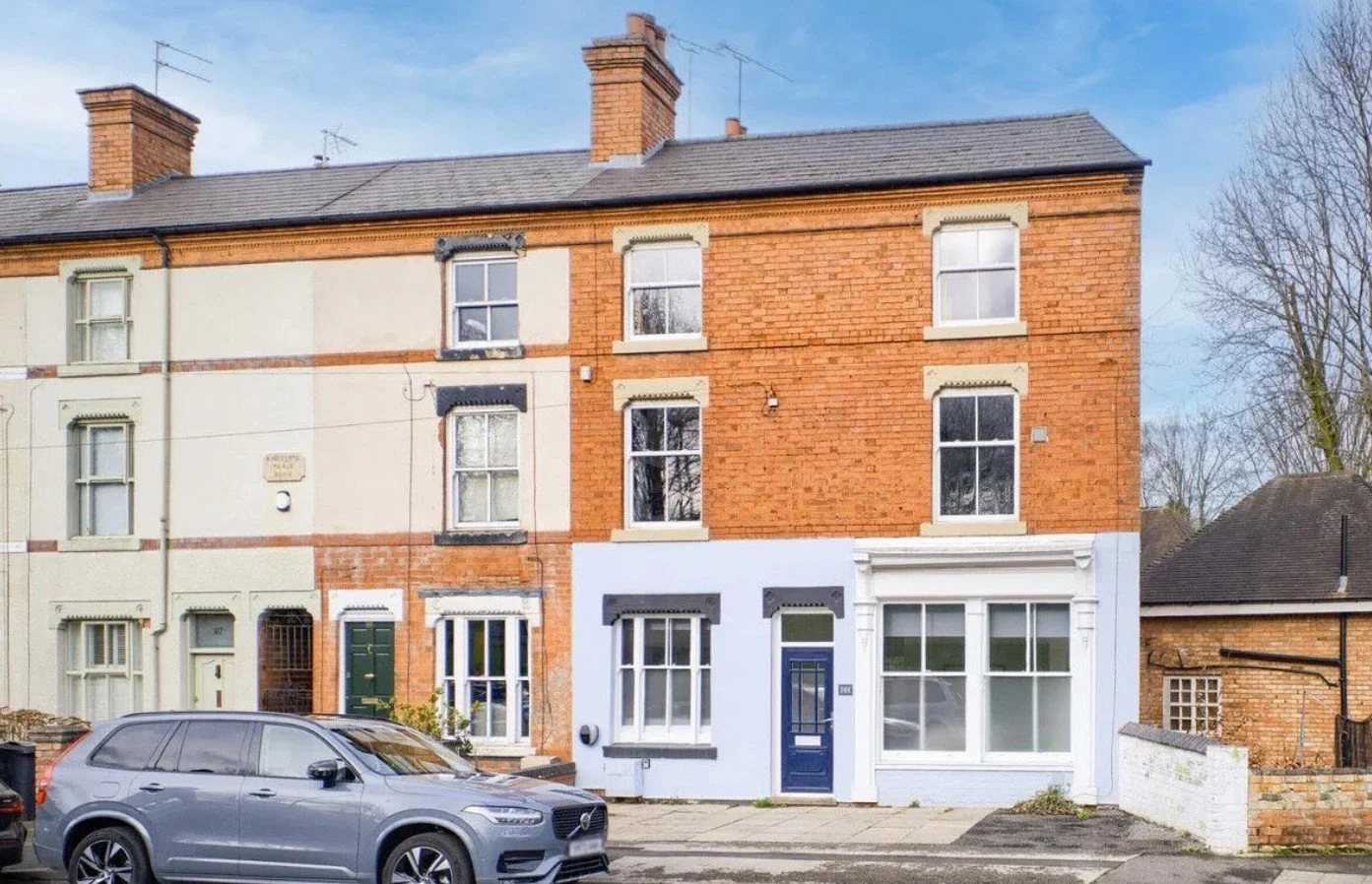
A typical home in Harborne, Birmingham. Properties like this can appear straightforward, but planning constraints, site context, and property history often affect what can realistically be extended or altered.
Your Home Has More Potential Than You Think. Before You Spend £100,000 on Your Home… Read This First.
Common Mistakes Buyers Make Before Getting Advice
One of the most common mistakes we see in practice is the assumption that planning regulations are universal and apply in the same way to every site. In reality, planning policy can vary significantly depending on location and context.
For example, Article 4 Directions can remove Permitted Development rights altogether, while properties within conservation areas or areas of ecological or landscape designation are often subject to additional controls. These factors can fundamentally change what is possible — even where similar work has been carried out nearby.
Other frequent pitfalls include:
Assuming the most obvious location for an extension is the best solution. Homeowners often have a good sense of how they live in a space, but this doesn’t always align with what works best in planning, design, or construction terms.
Overestimating what Permitted Development allows, or assuming it applies without limitation.
Not considering factors such as natural lighting.
Underestimating how site constraints, such as access, levels, neighbouring properties, or orientation, affect design options.
Buying based on lifestyle aspirations that the property cannot realistically support in the long term.
None of these issues is obvious when viewing a property, but they can have a significant impact on whether a purchase still makes sense once you look beyond the estate agent listing.
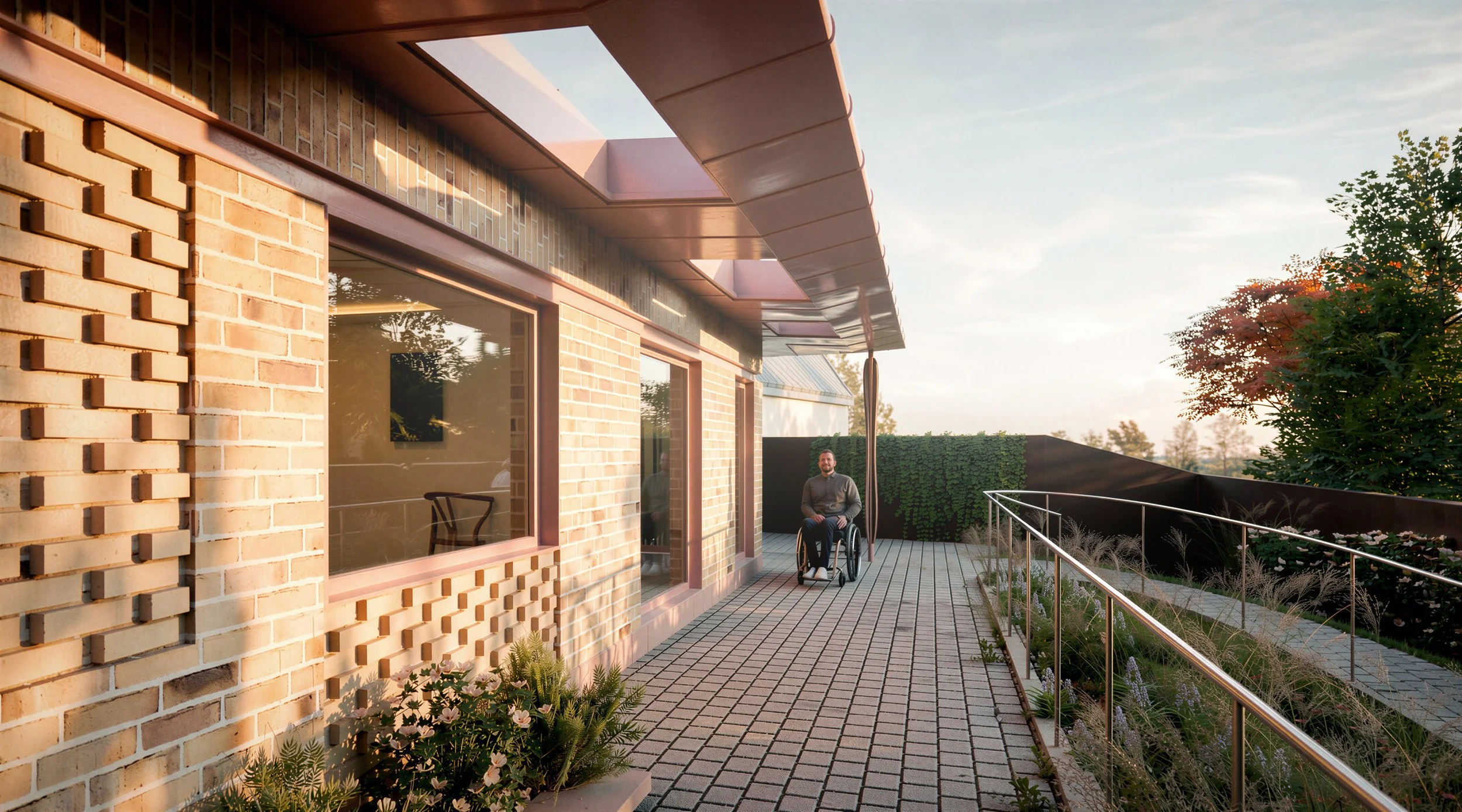
Designing around how someone actually lives is straightforward when it's part of the brief from day one. Retrofitting it into the wrong house, after purchase, rarely is. That's why a pre-purchase conversation matters.
Why Architects Are Well Placed to Advise at This Stage
RIBA Chartered Architects are trained to look at properties holistically. That means understanding not just what could be built, but what’s realistic within planning policy, site constraints, budget, and long-term usability.
At the pre-purchase stage, this perspective is particularly valuable. Instead of focusing on design detail, the emphasis is on feasibility, risk, and potential, helping you make a well-informed decision before you commit.
It’s often far easier (and cheaper) to walk away from a property that doesn’t work on paper than to try to force solutions later on.
Who This Approach Is Most Useful For
Speaking to an architect before buying is particularly useful if:
You’re planning to extend, alter, or reconfigure a property
You’re unsure whether your ideas will be acceptable in planning terms
You’re buying a property for the long term and want to future-proof it
You’re considering a plot or an unconventional property
You want an independent, professional second opinion before committing
A Sensible Next Step
If you’re considering a property and want clarity before committing, I offer a fixed-fee Architect Pre-Purchase Consultation designed to give buyers an honest, professional second opinion before they buy.